At a Glance
Tips for Protecting Your Glass Cooktop
How to Protect Your Glass Cooktop When not in Use
Why Trust East Coast Appliance?
A glass cooktop is not just a functional addition to your kitchen; it’s a sleek and modern choice that enhances your cooking experience.
Electric cooktops outperform traditional gas stoves in efficiency and cost-effectiveness. Proper maintenance of your glass cooktop is essential to leverage its elegance and functionality fully. Keeping it scratch-free and intact enhances performance and maintains your kitchen's sophisticated look.
In this guide, we'll explore essential best practices for protecting your glass stove top. From minimizing scratches to preventing cracks, adopting these simple yet effective habits can significantly extend the life and appearance of your cooktop.
Explore Glass Cooktops
Elevate your kitchen with the sophisticated simplicity of a glass cooktop from East Coast Appliance! Shop now to experience the cutting-edge in culinary excellence.
Shop glass CooktopsUnderstanding Glass Cooktops
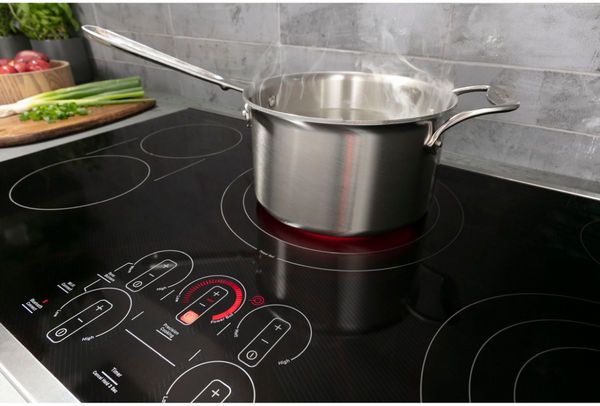
A glass cooktop utilizes a panel of tempered ceramic glass placed on top of electric heating elements. The glass is designed so it will not crack or break under pressure, which allows you to turn on each of the heating elements and cook on top of it.
This differs from a traditional electronic cooktop, where you place the pot or pan on exposed coils. It is also different from gas cooktops, where you cook over burners. Homeowners increasingly seek out glass cooktops because they are sleeker than stoves with exposed coils.
These models create a modern feel and cooking experience in the home. An induction cooktop, which uses electromagnetic technology to heat pots and pans, is similar to an electric glass cooktop.
Induction cooktops are the most efficient stoves on the market and use less energy than electric and gas options. Although the two cooktops might look similar because they have flat surfaces, electric models are often more affordable.
➝ Learn More: 7 Best 30-Inch Electric Cooktops for Small Kitchens
Tips for Protecting Your Glass Cooktop
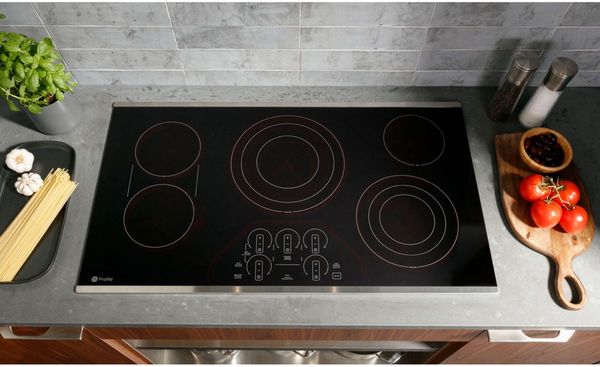
Glass cooktops are engineered for durability, designed to handle extreme heat and built to last over a decade. However, proper care is essential to maintain their optimal condition. Here's how you can extend the life and maintain the appearance of your glass stovetop:
- Lift, Don't Drag: Always lift pots and pans off the cooktop. Dragging, even lightly, can cause scratches.
- Choose the Right Cookware: Opt for lightweight stainless steel cookware. It's gentle on your cooktop and minimizes the risk of damage.
- Manage Spills Promptly: Prevent spills from cooking over as they can bake onto the surface and become difficult to remove.
- Clean Regularly: Address spills as they occur. Regular cleaning prevents stubborn stains and maintains the cooktop's pristine look.
For additional glass stovetop protection, look into stovetop protectors. These are typically plastic coverings you place on your stove when not in use. You can then use the cooktop as storage space without worrying about scratching the glass. Glass top stove covers are Popular with homeowners who recently upgraded their appliances or have small kitchens with limited storage space.
➝ Learn More: Cooktop Repair: When to Fix & When to Replace
Best Practices for Cleaning and Maintenance
Cleaning is essential to stovetop protection, and it is important to know how to clean glass cooktop models without scratching them. Here are a few tips to keep your cooktop looking at its best.
- Wipe down your cooktop after every use to remove any spills and crumbs. Daily cleanings can prevent grime from building up.
- Always use non-abrasive cleaners. Damp cloths and sponges are ideal for cleaning glass cooktops. Avoid metal scrubbers.
- Use gentle cleaners like dish soap or vinegar. There's no reason to use harsh chemicals on your cooktop.
Give your cooktop ample time to cool down after using it before you clean it. That way, you won't burn your hands while wiping away spills. It is important to balance wiping away food items immediately after cooking and keeping yourself safe.
➝ Learn More: How Does Glass Stove Top Replacement Work?
Choosing the Right Cookware
You can use almost any cookware on your glass stove; however, some pots and pans will have better results than others.
You can also extend the longevity of your stove by choosing lighter items that are less likely to damage the cooking surface. The best pans for glass stove models are made with stainless steel. While these items aren't scratch-resistant, they are lighter, making them less likely to cause damage.
Try to avoid using a cast iron pan on your glass cooktop. Cast iron takes a long time to heat up, but it holds on to that heat for longer—even when your heating element cools—which could potentially damage it. Ceramic and stoneware can also damage your cooktop.
Preventing Scratches and Damage
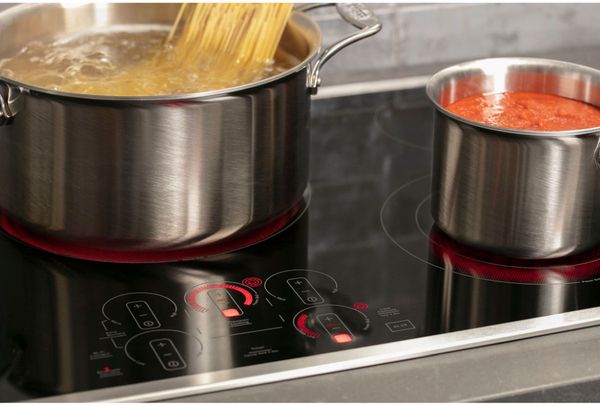
Getting into the habit of protecting glass stovetop appliances is important to extend their longevity. While scratches are unsightly, serious cracks could affect the stovetop's performance and create a dangerous cooking surface. You could potentially cut yourself on the sharp glass surface. Here are a few tips to prevent scratches and damage.
- Carefully lift your pots and pans away from the hot surface instead of dragging them. Even if heavy, you can prevent scratches by lifting them slightly.
- Use wire racks when pulling items out of the oven. Never put one of your hot pots and pans directly on the glass cooktop. The extreme heat on a cold surface could cause it to crack.
- Never wash a hot cooktop with cold water. This also creates a dangerous situation where two extreme temperatures meet. Either wait for your cooktop to cool or use warm water.
Anyone using a glass cooktop in their home should know these best practices. These practices allow you to keep your family safe while extending the life of your stove.
Troubleshooting Common Issues
While many homeowners are worried about cracks and scratches on their glass cooktops, there are a few other issues that you should be aware of. Here are a few things that could happen to your cooktop and how to troubleshoot them:
- Discoloration: Stubborn stains can build up over time, leaving your glass cooktop discolored. This is particularly common if you have hard water in your home. Use a mixture of baking soda and water on your cooktop to loosen the grime so it is easy to wipe away. Do not use an abrasive scrubber.
- Cooktop not heating: If your stovetop refuses to heat up, you have an electrical issue. This likely has nothing to do with the glass cooktop itself. A service technician can lift the cooktop and check the electrical elements underneath.
- Uneven cooking: Some of your heating elements might wear out over time. If all other parts of your cooktop are working but one, the broken element might need to be replaced.
If you experience any of these issues and have an appliance warranty, check if cooktop repair is covered. An experienced technician might be able to replace your glass cooktop so it looks new.
How to Protect Your Glass Cooktop When not in Use
While most people focus on preventing scratches on glass cooktop appliances when they are in use, you can also protect your stove when it is off.
First, avoid placing items on the cooktop because it is less durable than your other countertops. Breaking the habit of using your stovetop as a place for storage can prevent you from accidentally scratching items.
If you have limited space in your kitchen and need to place items on your cooktop, invest in a stovetop protector. These are typically rubber mats that you can place on top of the glass and roll up when you are ready to cook.
Some homeowners find beautiful wood stove protectors that highlight their aesthetic. This is another option depending on your budget and personal preferences.
FAQ
Here are some frequently asked questions about glass cooktops.
How do I keep my glass cooktop from cracking?
Glass cooktops are incredibly durable and designed to withstand daily use. They are hard to crack. However, you can reduce the risk of cracks by never placing hot pots and pans on a cold cooktop and by avoiding using cold water on hot surfaces. Maintaining even temperature balances will protect your appliance.
Can a grill mat be used on a glass-top stove?
It is not advisable to use a grill mat on your glass-top stove. Nothing should go between the heating element and your pots and fans. If you want to protect your stove when it is not in use, look into a plastic stove top mat to keep it covered.
What pans should not be used on a glass-top stove?
Many glass cooktops are designed to be durable and can accommodate most pots and pans. However, you might notice that your cast iron, stoneware, and ceramic cookware do not do as well. Try to use stainless steel pots and pans for a streamlined cooking experience.
Why Trust East Coast Appliance?
Locally owned and operated since 1988, East Coast Appliance is the largest independent appliance dealer in Virginia. We sell it ALL — from new name-brand appliances to scratch-and-dent appliances to our very own refurbished appliances. Aside from our huge selection of every major brand and everyday low prices, what sets us apart from our competitors is that we service what we sell and that we are locally owned and operated with factory-trained associates. And if you’re local, great news: East Coast Appliance is committed to providing the absolute lowest prices on the same available brand and model — simply bring in the ad of the local retail competitor while the lower price is in effect and you'll receive your price match.
Shop Cooktops at East Coast
There is a reason we are dubbed “The Discount King” — for unbeatable deals, shop cooktops online at East Coast Appliance. Our friendly associates are always happy to help you find the best glass cooktop for your kitchen, whether you call us or use our online chat feature. Better yet, stop by one of our showrooms to see why we are the best appliance store in Virginia. Visit us today!